

Individualised Living Options for NDIS Plans, Sydney
What are Individualised Living Options (ILO)?
ILO funding focuses on designing personalised living arrangements and integrating support from both formal services and informal networks like family and friends.
We start with a collaborative exploration and design phase, where we help you decide your ideal living arrangement, including the type of support you’ll need and who will provide it. This could range from personal care and daily decision-making to support in building greater autonomy and maintaining connections.
In the implementation phase, we set up these supports, including informal help from family and friends, ensuring they align with your needs. Our approach is flexible, allowing for adjustments as your needs evolve. We prioritise safety, stability, and a supportive environment, offering training for your support network and on-call assistance for when you need extra help.

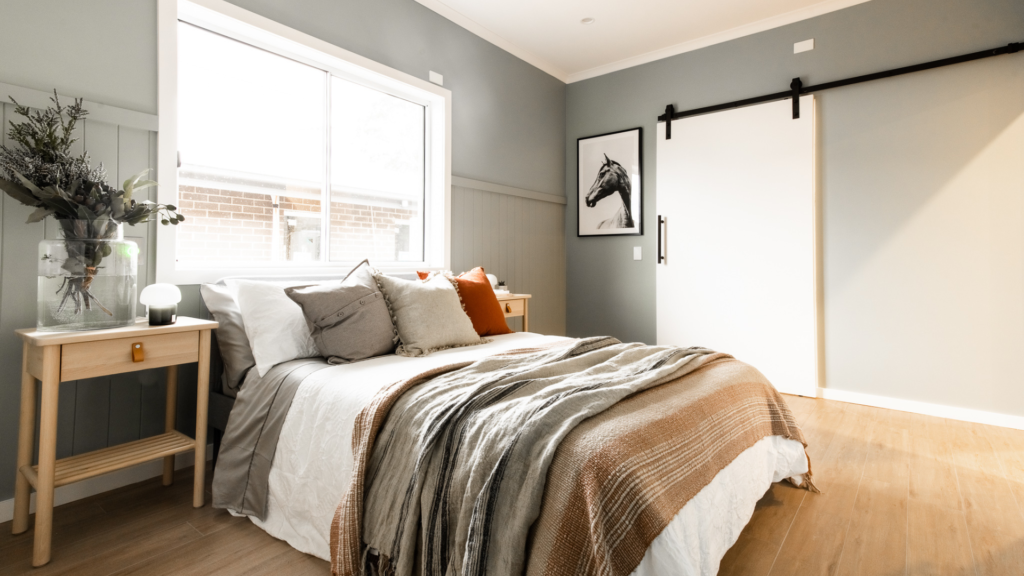
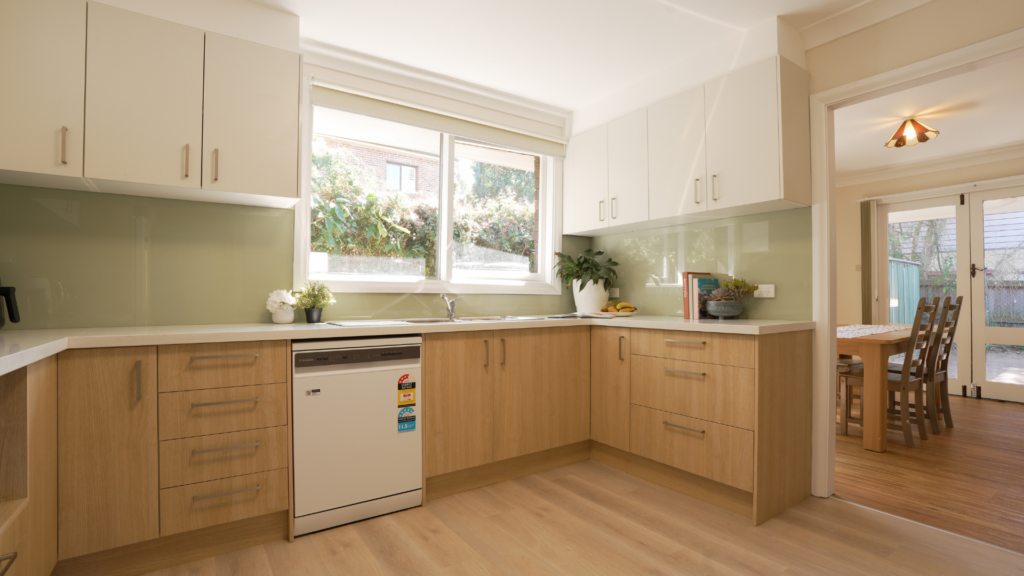
Available Homes
Designed to enhance your quality of life.




What Support Could ILO Include?
Individualised Services Tailored To Your Needs

Assistance in choosing where to live and arranging necessary support

Personal care services

Help with setting up and managing your household

Guidance to enhance your independence

Support in establishing and maintaining social connections

Aid in making daily life decisions

Emotional and behavioral support

Informal support from neighbors or caregivers

Training for your support network
This holistic approach ensures you have the right blend of formal and informal support, giving you the freedom to live confidently everyday.
How does ILO Differ from Other Housing Supports?
ILO vs SIL (Supported Independent Living)
Supported Independent Living (SIL) offers structured support for people living in shared or individual homes. It’s best for those who need regular, set assistance.
Individualised Living Options (ILO), on the other hand, give more flexibility. You can create a living arrangement that suits your goals. ILO focuses on choice and control, allowing you to choose where, how, and who you live with, along with personalised support that can change as your needs do.
ILO vs SDA (Specialist Disability Accommodation)
Specialist Disability Accommodation (SDA) provides purpose-built homes designed for people with very high support needs. SDA focuses on housing with special features, such as wider doorways or hoists.
ILO is different because it’s not tied to a specific house. Instead, it’s about creating a support plan for how you want to live, whether that’s in your own home or shared with others. The focus is on individualised living arrangements—not just the building.
How ILO Integrates with Other Supports
ILO works well with other services to help you live the life you want. It can complement:
- Support Coordination: Your support coordinator helps plan and manage the services you need, including ILO.
- Community Access: ILO can support you in staying connected to your community and doing things you enjoy.
With ILO, you have more say in how your supports work together, giving you more independence and better outcomes.
ILO Service Phases
Stage 1: Exploration and Design
This stage involves understanding where and how the individual wants to live. The Exploration and Design process helps individuals explore their strengths, capabilities, and preferences, with support from families and other networks. The goal is to assess what’s possible, identify potential risks, and document a tailored plan for NDIS submission.
Stage 2: Supports Implementation and Adjustment
Once the NDIS service proposal is accepted, Stage 2 begins. This phase focuses on implementing the agreed support plan, including regular monitoring and adjustments to ensure the support continues to meet the individual’s changing needs. Support facilitators play a crucial role in ensuring clear communication, managing support workers, and facilitating connections with housing partners and other services.
Key Features of ILO Support
Person-Centred Approach: Support is tailored to the individual’s needs and goals, ensuring that each person has a meaningful role in designing their living arrangement.
Flexibility in Support: ILO support adapts to the person’s evolving needs, providing both formal (paid) and informal (family, friends) supports.
Community Participation: The service encourages participation in community activities and the development of social networks.
Home and Living Choice: Individuals choose where they live, who they live with, and how they are supported, promoting independence and autonomy.
Support Types
Primary Supports (Formal): Direct, paid support services such as accommodation support, living skills assistance, emotional and behavioural development, and personal health and wellbeing.
Supplementary Supports (Informal): Additional support that may include help from family, friends, and community members. Support facilitators help strengthen these informal networks, ensuring they complement the primary support system.
Support Facilitation
Support facilitation ensures that ILO services are implemented effectively and adjusted as needed. This includes:
Developing clear communication pathways between all stakeholders (family, support workers, co-tenants).
Coordinating housing arrangements and liaising with housing providers.
Managing and adjusting support based on individual goals.
Supporting the person to maintain their tenancy and community relationships.
Contingency Planning and Crisis Support
Our proactive approach to contingency planning helps individuals manage potential life challenges. We focus on equipping people with the skills and support networks they need to address difficulties before they become emergencies. This can include access to personal, specialist, or community services.
Key Benefits of ILO
Highly Personalised Support: Tailored to meet complex needs, including communication support.
Empowerment: People with disabilities take the lead in decisions about their lives, improving life satisfaction and outcomes.
Right Support at the Right Time: We ensure each individual gets the right amount of support for their personal circumstances.
NDIS Categories for ILO Access
Assistance with Daily Life
Social & Community Participation
Improved Living Arrangements
Increased Social & Community Participation
Improved Relationships
ILO – Why Choose Unisson?
Unisson offers a unique, person-centred approach to Individualised Living Options:
Respectful, Ethical Relationships: We prioritise building trust with our clients, working collaboratively with families to develop the right support.
Evidence-Informed Practice: Our supports are designed based on quality-of-life outcomes, ensuring that each individual receives the right amount of support.
Autonomy and Empowerment: We are committed to ensuring that people with disabilities have control over their lives, enabling them to make informed decisions.
Frequently Asked Questions about Individualised Living Options (ILO)
We’ve put together some commonly asked questions to give you more information about ILO. If you have any questions that you can’t find the answer to, please Contact Us.
What are Individualised Living Options (ILO)?
Individualised Living Options (ILO) are flexible NDIS supports that allow participants to choose and design living arrangements tailored to their preferences and needs.
How are Individualised Living Options (ILO) different from Supported Independent Living (SIL)?
ILO focuses on flexibility and personalisation, allowing participants to live with family, friends, or independently, while SIL is a structured support option in shared living arrangements.
Who is eligible for Individualised Living Options?
Participants with NDIS funding that includes Individualised Living Options are eligible. Eligibility is determined based on personal needs and goals.
What support can I receive under ILO?
Supports may include assistance with daily tasks, finding and managing housing, fostering relationships with housemates, and building independence in your living arrangement.
Can I change my living arrangement in the future?
Yes, ILOs are flexible and can be adjusted as your needs and preferences evolve. The arrangements are reviewed regularly to ensure they remain suitable.
What is the process of setting up an ILO?
ILO is designed in two stages:
Exploration and Design: Participants work with Unisson to plan and explore suitable options.
Implementation: The chosen arrangement is put into action with ongoing support.
Can I live with my family or friends under ILO?
Yes, ILO supports arrangements where participants live with family, friends, or other trusted individuals, provided the setup meets their goals and support requirements.
How does Unisson Disability help with ILO?
Unisson works with participants to design, implement, and review their living arrangements, ensuring they meet individual needs while fostering confidence in everyday life.
What types of housing arrangements are possible under ILO?
Housing arrangements can include living alone, with family, with housemates, or in co-residency with a support worker, depending on the participant’s needs.
How do I apply for ILO with Unisson Disability?
To apply for ILO, you can contact us directly at Unisson Disability or work with your NDIS planner or support coordinator for assistance to discuss your goals and explore ILO options. Our team will happily guide you through the application and design process.
I don’t have ILO funding but would like to know more.
If you are unsure about your ILO eligibility, simply contact our friendly team at 1800 266 444 or fill in the contact form on our contact us page and one of our team members will be in touch shortly to discuss your options.
ILO isn’t right for me, what other home and living supports do you offer?
Unisson offer a range of home and living supports. The supports we offer are flexible and can adapt as your needs change.
To explore our range of accommodation support services visit: